Editorial: Seoul must move quickly to address Trump’s demands on defense and trade
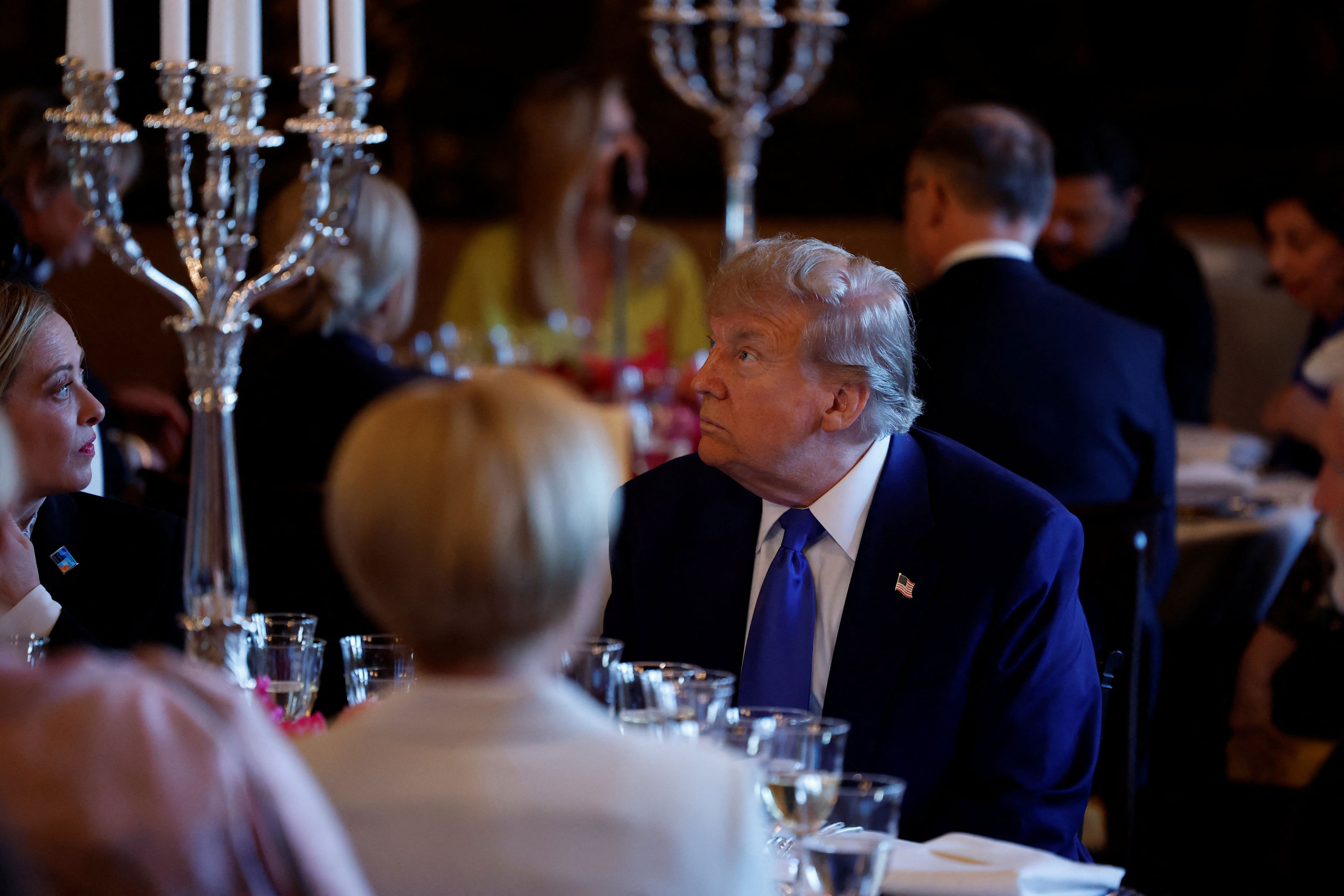
At a recent North Atlantic Treaty Organization (NATO) summit attended by U.S. President Donald Trump, member states reportedly reached an agreement to raise their defense spending to 5 percent of gross domestic product (GDP) by 2035. The plan calls for increasing core defense budgets to 3.5 percent of GDP, with an additional 1.5 percent allocated to areas such as cyber warfare and intelligence—bringing total defense outlays to the proposed 5 percent threshold.
As of now, eight of NATO’s 32 members have yet to meet the alliance’s earlier target—set in 2014 under the Obama administration—of allocating 2 percent of GDP to defense. Nevertheless, Trump has pushed aggressively for the 5 percent benchmark since taking office, arguing that such a level is “manageable.” The U.S. Department of Defense has recently indicated plans to demand similar increases from its Indo-Pacific allies, including South Korea.
South Korea’s 2024 defense budget is approximately 61 trillion won ($45 billion), or 2.3 percent of GDP. Raising that to 3.5 percent would require boosting the defense budget to around 89 trillion won ($65 billion), while reaching the 5 percent target would mean doubling current spending to roughly 127 trillion won ($93 billion). This would represent nearly one-fifth of the entire national budget—a burden that many economists warn could strain South Korea’s economic and social systems beyond sustainable limits.
Seoul and Washington are already navigating a range of delicate defense issues, including the Special Measures Agreement (SMA), which outlines cost-sharing for the U.S. military presence in South Korea, and the planned transfer of wartime operational control (OPCON). Additional costs may arise from the deployment of U.S. strategic assets on the Korean Peninsula. In Washington, discussions are also underway about revising the role and composition of U.S. Forces Korea in light of growing concerns over a potential Chinese invasion of Taiwan, as well as improving integration between American forces in South Korea and Japan. These are matters that demand frank and sustained dialogue between the two governments.
President Lee Jae-myung’s absence from the NATO summit has eliminated the chance for an early face-to-face meeting with Trump during his first month in office. Complicating matters further, the expiration of Trump’s 15 percent country-specific tariff suspension on South Korean exports is looming, with a July 8 deadline fast approaching. The Lee administration must move quickly to schedule a U.S. visit and summit with Trump while also formulating a detailed strategy to address the twin pressures of rising defense demands and renewed trade friction.
South Korea already ranks among the world’s top defense spenders relative to GDP, aside from military powers like the United States, China, and Russia. At the same time, the country’s fiscal position is rapidly weakening due to growing welfare obligations. While Trump’s demands cannot be ignored, excessive expectations must be met with clear negotiation. The government must craft a credible “defense-economy package” that aligns U.S. strategic priorities with South Korea’s national interests. A well-calibrated proposal could give Seoul the leverage it needs to forge a more balanced agreement with Washington.

Posting Komentar untuk "Editorial: Seoul must move quickly to address Trump’s demands on defense and trade"
Posting Komentar