Student tragedy spurs Malaysia to get tough on speeding lorries and buses: ‘important step’
Malaysia will require owners of lorries and buses to install a device that prevents vehicles from going faster than 90km/h, after a spate of fatal road accidents, including a bus crash on Monday that killed 15 university students .
Malaysia's roads are among some of the world's most dangerous, with one person dying every two hours according to government statistics between March 2024 and March 2025.
Lorries and buses routinely flout the speed limit of 90km/h, and high-speed collisions are common on the country's highways.
Do you have questions about the biggest topics and trends from around the world? Get the answers with SCMP Knowledge , our new platform of curated content with explainers, FAQs, analyses and infographics brought to you by our award-winning team.
On Friday, Transport Minister Anthony Loke announced that the government will mandate all heavy vehicles to be equipped with "Speed Limitation Devices" in their engines, which will cap the vehicles' speed at a maximum of 90km/h.

Calling the move, which will be enforced from October 1, "an important step", he said the safety feature will reduce "the risk of road accidents involving lives and property."
The requirement will apply to tour buses, express buses, and all vehicles transporting more than eight passengers, as well as commercial vehicles exceeding 3,500kg. The device must be installed, verified, and recertified at government-certified inspection centres every two years, as well as each time they renew their vehicle permit, all at the owners' expense.
The move follows mounting public anger over the government's perceived inaction on road safety, particularly along the East-West Highway, where the predawn bus crash occurred on Monday.
Dashcam footage showed the bus speeding and overtaking a car before it toppled and smashed through a steel crash barrier.
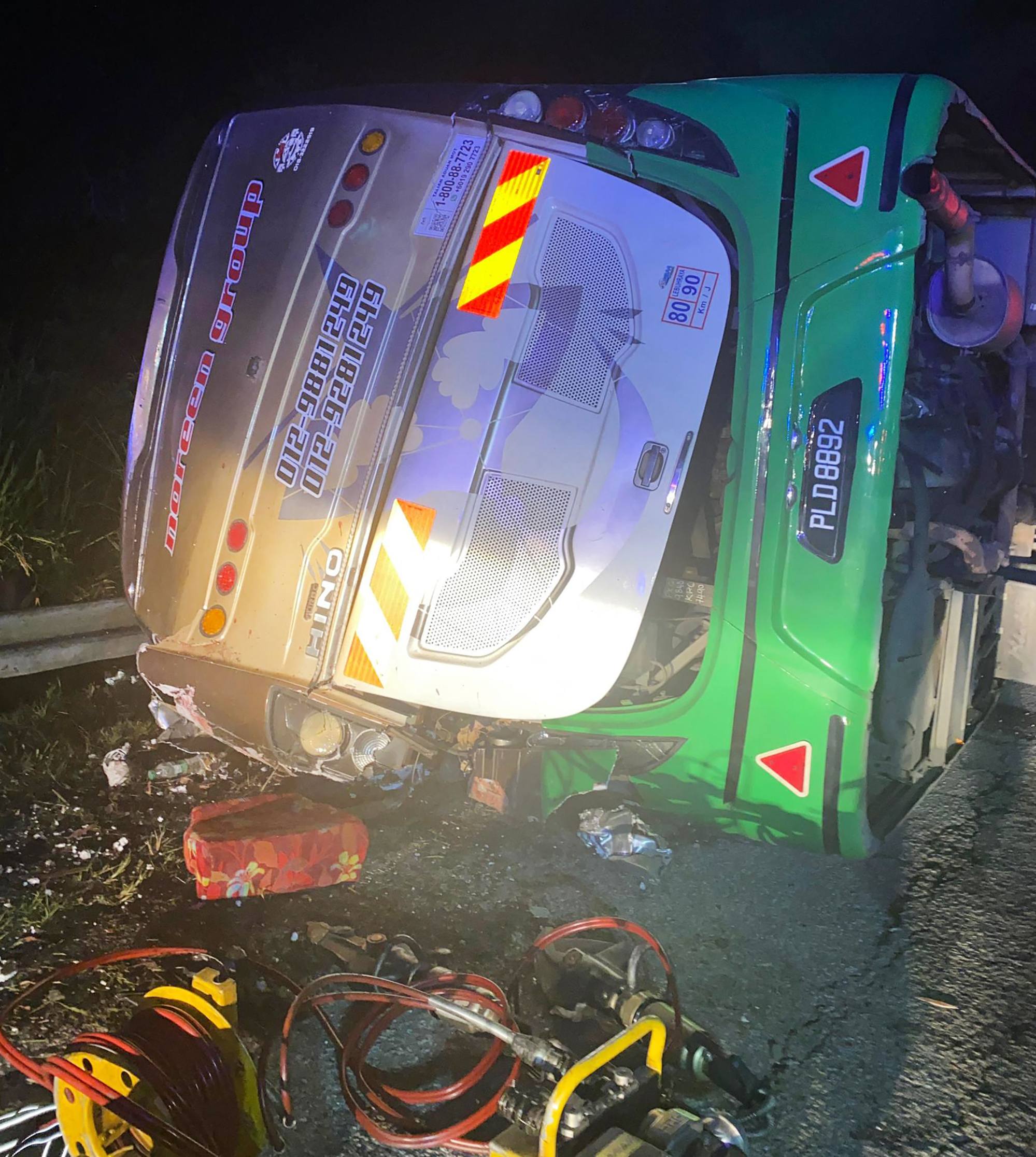
The driver, who survived, claimed the brakes failed - a claim disputed by the bus company, which said the vehicle had passed inspection before departure.
He was revealed to have 13 previous speeding tickets and has been arrested after being discharged from the hospital. The operating licence of the bus company has since been revoked , with Loke stating that the government will not entertain any appeals.
The same route made headlines last month after a lorry fatally struck a baby elephant , with a viral video showing its mother desperately trying to save it.
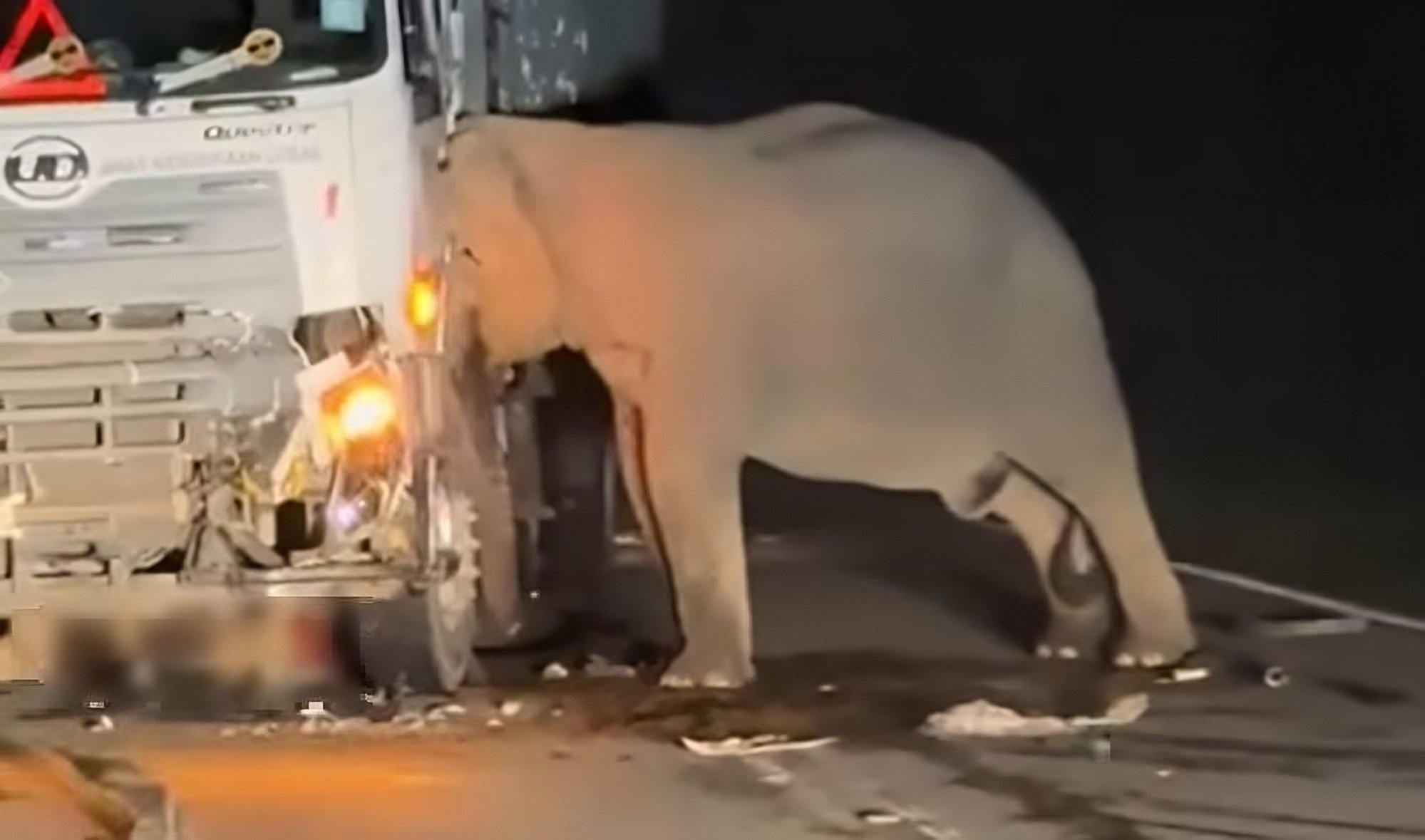
Public frustration has intensified over repeated explanations of "brake failure" and the all-too-common revelation after each accident that drivers had extensive prior criminal records or multiple outstanding traffic summonses. These incidents have highlighted long-standing failures in enforcing vehicle roadworthiness and the vetting of drivers.
Lawmaker Syahredzan Johan welcomed the move, calling it overdue after years of debate.
"The lives of 15 young Malaysians who were lost cannot be returned," Syahredzan said. "However, with the right policies and action, we can try to prevent similar tragedies from recurring."
More Articles from SCMP
5 of the best things to do in Hong Kong this weekend June 13-15, including sound healing
Tech war: Nvidia CEO says Huawei has everyone ‘covered’ if US chip ban on China stays
Chinese man dons placard declaring he owns 2 buildings to attract partner who values family
This article originally appeared on the South China Morning Post (www.scmp.com), the leading news media reporting on China and Asia.
Copyright (c) 2025. South China Morning Post Publishers Ltd. All rights reserved.

Posting Komentar untuk "Student tragedy spurs Malaysia to get tough on speeding lorries and buses: ‘important step’"
Posting Komentar